
The enduring wisdom of St. Thomas Aquinas and the subsequent teachings of Pope Leo XIII have echoed through the ages, touching upon many aspects of life, including the domain of economics and its alignment with moral principles. This article sheds light on their perspectives and examines their implications for modern financial practice, which has spurred much debate within and outside of the Catholic community.
The Ethical Foundations Laid by Aquinas
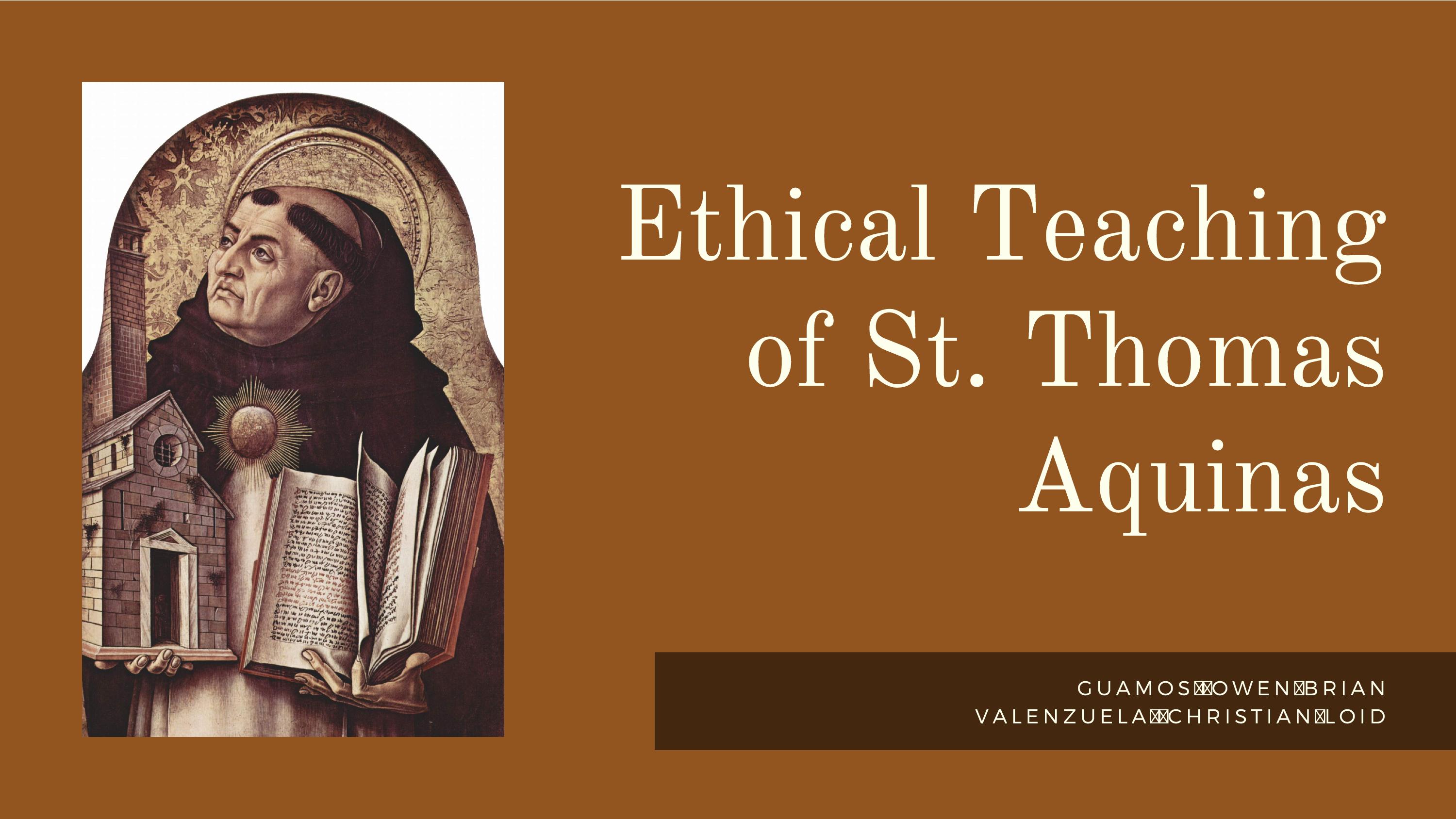
St. Thomas Aquinas, a towering figure in Catholic theology, emphasized the centrality of ethical considerations in all human activities, economics included. Aquinas believed that economic actions should not only seek to maximize profit but must adhere to moral virtues. His thoughts have been instrumental in shaping a view of economics that incorporates social welfare and justice.
Economic Justice and the Common Good
Central to Aquinas' teaching is the idea that economic systems serve the common good, ensuring that the basic needs of all community members are met. He asserted that wealth should be viewed not merely as an end in itself but as a means to facilitate virtuous living and community welfare.
Pope Leo XIII's Encyclical: Rerum Novarum

Fast forward to the 19th century, Pope Leo XIII issued the groundbreaking encyclical Rerum Novarum, encapsulating a Christian response to the economic conditions of the time. Drawing upon the scholarly foundation of Aquinas, the encyclical spoke against socialism while advocating for workers' rights, private property, and the mediating role of the state in resolving labor disputes.
A Balance Between Labor and Capital
Pope Leo XIII argued for a balance between the interests of labor and capital, promoting the dignity of work and the right to fair wages. He believed that when economic activity is guided by Christian ethics, societal harmony and progress are achievable.
Modern Economic Realities and Critiques
Despite the timeless nature of these ethical guidelines, modern economic practices—specifically within the banking industry—have been scrutinized. Critics argue that current banking systems are often in conflict with the ethical principles expressed by Aquinas and amplified by Pope Leo XIII.
Fr Denis Fahey's Analysis and the Call for Reform
Fr Denis Fahey, another influential figure in this discourse, has explicitly referenced the works of Aquinas and Pope Leo XIII. He has raised concerns that modern banks have strayed far from these ethical imperatives, outlining that practices driven by greed and devoid of moral considerations are bound to fail.
The Inevitability of Banking Crises
The talks and reports emerging from Catholic conferences, such as the one that hosted the discussion titled "Why the Modern Banks Must Fail!", illustrate the growing apprehension regarding the sustainability of financial institutions that prioritize profit over people. The sentiment expressed is that a departure from ethical principles is not only morally deficient but economically unsustainable.
Finding Hope and Direction
The teachings of Aquinas and Pope Leo XIII, along with the commentaries of scholars like Fr Denis Fahey, are not just criticisms but also provide a beacon of hope. By realigning economic systems with moral philosophy, it is suggested that a more equitable and sustainable future can be constructed.
Encouraging Ethical Tourism
Addressing economic crises is not just about overhauling large systems; it also involves individual choices. For instance, choosing ethical travel options that support local economies and minimize environmental impact can be a manifestation of the principles discussed. Responsible tourism is a way for individuals to engage in an economic activity that respects workers’ rights, fosters authentic human connections, and supports ethical business practices.
Orlando
- Conrad Orlando
- Loews Royal Pacific Resort
- Avanti International Resort
- Hilton Garden Inn Orlando Airport
Cancun
Galway
Ogunquit
Bucharest
Playa Blanca (Lanzarote)
Albufeira
Manchester
Quebec City
Dublin
London
- Novotel Canary Wharf
- Spa Hotel Break
- Boutique Hotels London Deals
- Luxury Hotel London Deals
- List Of 5 Star Hotels In London
Cheltenham
Protaras
Bodrum
Melbourne
Houston
Marco Island
Edmonton
Brisbane
New York
- Element New York Times Square West
- Hotel Indigo Wall Street
- Boutique Hotel New York
- New York Luxury Hotels