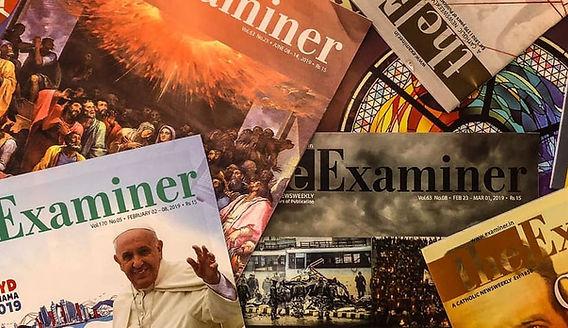
The perception of the role and influence of religious institutions, such as the church, has been a subject of extensive discussion over the years. In the age of rapid information dissemination, the press plays a pivotal role in framing these discussions, sometimes leading to controversy regarding the portrayal of the church and its clergy. It's important to discern the nuance and context behind this portrayal to grasp the wider implications for the church and its community.
The Role of Sensationalism in Religious Reporting
Sensationalism in media reporting is not a novel phenomenon; it is a time-tested method that captures audience attention and stirs public emotion. However, when it comes to covering sensitive topics like clerical scandals, one must inquire if sensationalism can cloud the objective truths of a situation.
Perceived Magnification of Clerical Issues

The notion that the magnitude of problems within the church has been ‘artificially’ amplified by the press is a contentious one. Widespread reporting, with a focus on sensational aspects, often overshadows the quieter, more significant efforts of reform and accountability undertaken by the church. While public awareness is essential, the nature of the reporting can lead to generalized misconceptions about the institution as a whole.
Critical Analysis by Church Analysts
John Vennary's Viewpoint on Clerical Scandals
For a deeper analysis of the interplay between church scandals and media reporting, one can refer to articles like the one by John Vennary, the director of Catholic Family News, titled "Clerical Scandals and the Negligence of the Pastors". Vennary delves into the complex relationship between clerical actions and the pastoral response, shedding light on underlying issues within the church’s hierarchy. Such pieces provide readers with a comprehensive understanding that transcends the headlines.
The Path Towards Balanced Reporting
As news about the church and its community is disseminated, the call for balanced reporting becomes ever more critical. It rests on journalists and media outlets to ensure that their portrayal does not disproportionately contribute to negative stereotypes, but rather provides a platform for constructive dialogue and a transparent account of events.
The Church in the Age of Digital Media
The digital era has arguably amplified the reach and influence of reportage, impacting the reputation of religious institutions. For the church, navigating these turbulent waters of digital exposure requires resilience and an ongoing commitment to transparency and progress.
The Intersection of Sacred and Secular Narratives
Finally, on a broader canvas, the narratives surrounding the church extend to various facets of life, including travel. Many individuals embark on journeys to sacred sites seeking solace, context, and connection with their faith. These destinations, steeped in religious history, are interweaved with tales of both ecclesiastical triumphs and tribulations, offering travelers a holistic perspective on the church’s imprint across time and culture. In essence, the act of pilgrimage can serve as a reminder of the church's enduring human aspect, transcending what is portrayed in the media, and grounding the discussion in the lived reality of faith.