
In the realm of religious practice and tradition, few topics can be as polarizing or as deeply felt as changes to liturgy and prayer. This is the world in which the Society of Saint Pius X (SSPX) operates—a traditionalist group known for its adherence to the liturgical practices of the past. Recent developments have once again brought the SSPX into the spotlight, highlighting the society's often complex relationship with the modern Catholic Church.
Unpacking the SSPX's Stance on Liturgical Change
The Society of Saint Pius X has made headlines with its response to revisions to a particular prayer recited on Good Friday. The prayer in question, which concerns the Jewish people, has undergone an official revision, intended by the Vatican to reflect a more inclusive attitude in line with contemporary Catholic-Jewish relations. However, Bishop Fellay, a leading figure within the SSPX, has indicated that the society may reject this revised prayer.
The Relevance of Prayer in Modern Catholicism
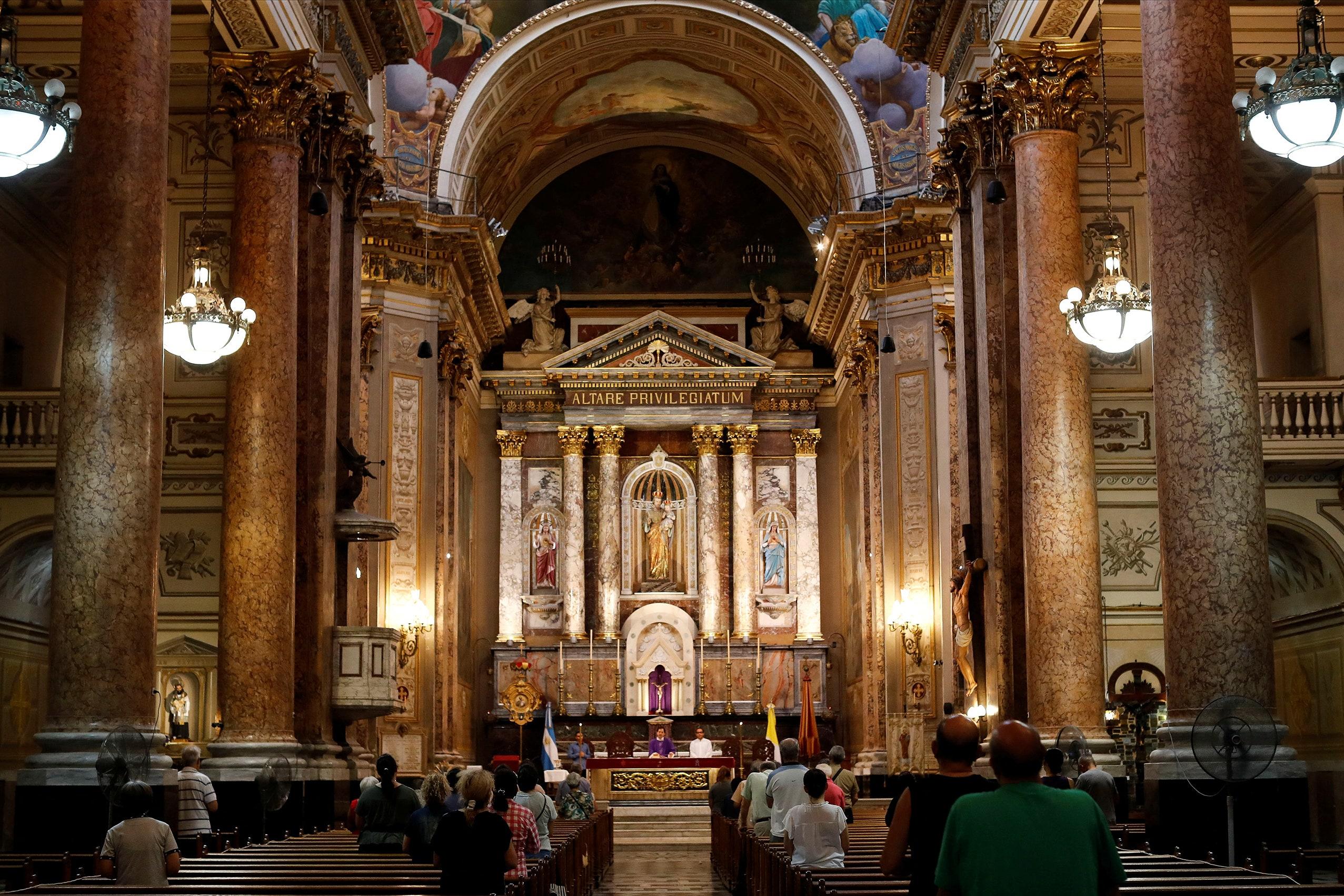
For many devout Catholics, prayer is not a static ritual but a dynamic conversation with the divine. Each word and phrase carries centuries of theological thought and spiritual practice. When the Vatican proposes a revision, it often seeks to connect the timeless wisdom of the church with the sensibilities and knowledge of the current age. This careful balancing act is designed to ensure that prayers continue to resonate with believers worldwide.
SSPX: A Brief Overview
The Society of Saint Pius X was founded in 1970 by Archbishop Marcel Lefebvre with a commitment to preserving the Tridentine Mass and opposing certain reforms introduced by the Second Vatican Council. The SSPX’s adherence to pre-Vatican II traditions has often set them apart from the general direction in which the Catholic Church has moved, leading to tension and ongoing discussions about faith, tradition, and the church's evolution.
The Impact of Revising Ancient Texts
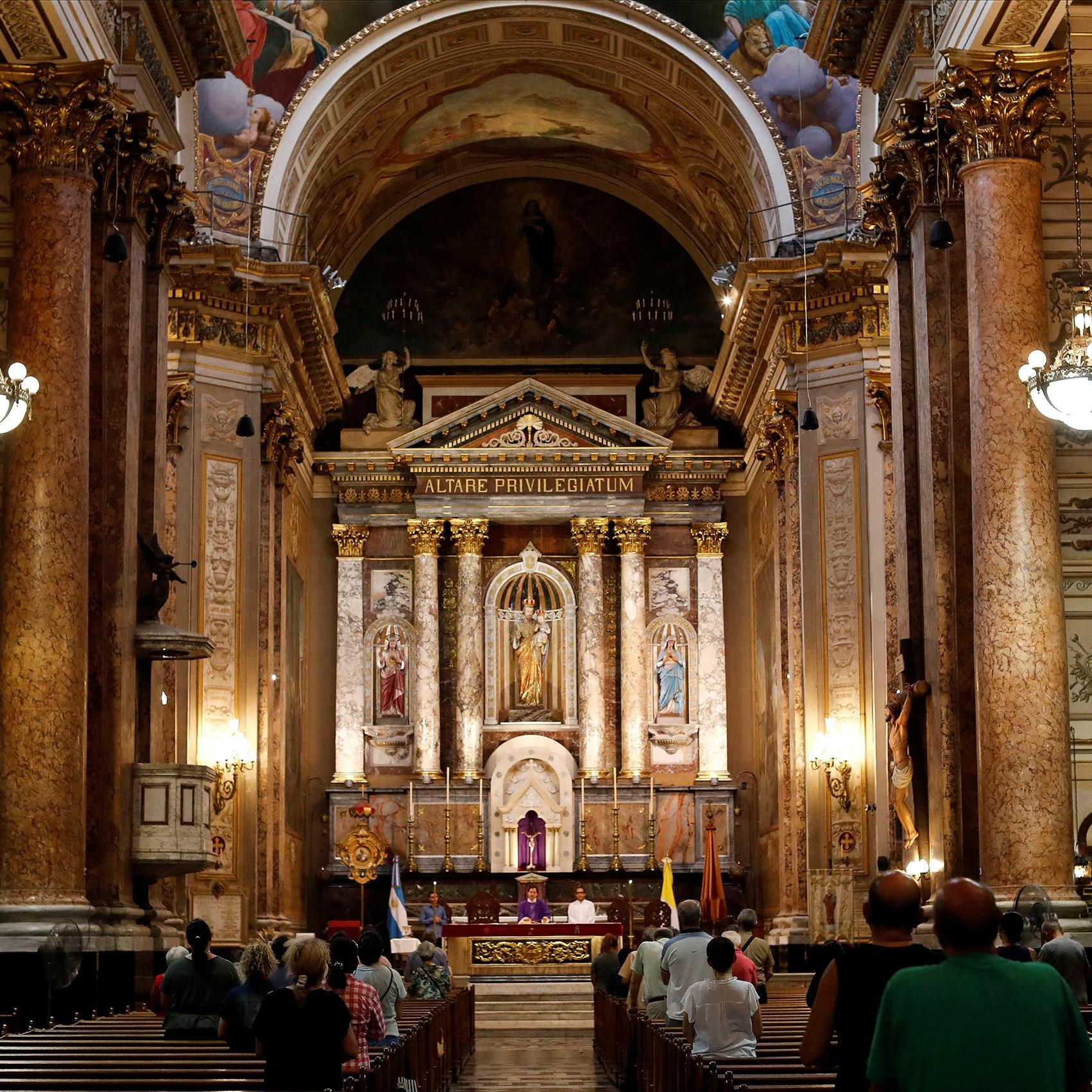
Revising liturgical texts is a sensitive matter, as these prayers form an integral part of the faith identity of many Catholics. They connect the past with the present, carrying the theological doctrines and ecclesiastical decisions of early church authorities. Changes, therefore, are often met with scrutiny, as was the case with the SSPX's response to the revision of the Good Friday prayer. Traditionalists argue that such changes can dilute the original intent of the prayers, while others advocate for the necessity of progression and inclusivity in religious practice.
Broader Implications and the Journey of Faith
The struggle between tradition and modernity within the Catholic Church mirrors a larger human journey, one in which all individuals and communities must navigate the delicate balance between preserving their heritage and embracing change. This journey is not limited to spiritual realms but can also be seen in the physical act of travel—where the voyager seeks to encounter and understand different cultures while retaining a sense of origin and identity. Traditionalist perspectives, like those held by the SSPX, challenge travelers of faith to consider deeply the significance of their beliefs and practices as they move through an ever-changing world.
In the end, whether our journeys are of the spirit or across the globe, they reflect an innate human desire for connection—to the divine, to our roots, and to one another. As the SSPX challenges revised prayers, they remind us of the constant negotiation between the new and the old, a theme that can enrich our experiences both in the quiet of prayer and the adventure of travel. Embracing the past while opening ourselves to the new can lead to profound encounters, deepening our understanding of faith and the world around us. The road, much like history and tradition, stretches out behind and before us—inviting exploration and the reconciliation of where we have been with where we are going.
Orlando
- Conrad Orlando
- Loews Royal Pacific Resort
- Avanti International Resort
- Hilton Garden Inn Orlando Airport
- Disney Wilderness Lodge
Cancun
- Riu Palace Kukulkan
- Nyx Cancun
- Wyndham Grand Cancun
- Royalton Chic Cancun Reviews
- 5 Star Hotels Cancun Mexico
Ogunquit
Galway
Bucharest
Playa Blanca (Lanzarote)
Albufeira
London
- Novotel Canary Wharf
- Citadines Holborn
- Spa Weekends In London
- Concept Hotel
- Luxury Spa Hotel London
- Five Star Hotels In East London
Manchester
Dublin
New York
- Element New York Times Square West
- Hotel Indigo Wall Street
- Hotel 57
- Hotels With Spa In New York
- Upscale New York Hotels
Brisbane
Syracuse
Kissimmee
Chicago
Cabo San Lucas
Paris
Vaughan
Denver
Deerfield Beach
Toronto
Edmonton
Durham
San Diego
Phoenix
Grace Bay
Tulum
Seattle
Manila
Fort Lauderdale
Hervey Bay
Portsmouth
Bournemouth
Virginia Beach
Abilene
Marco Island
Montreal
Liverpool
Edinburgh
Sydney
Amsterdam
- Luxury Hotels Amsterdam City Centre
- Best 5 Star Hotels In Amsterdam
- Hotel And Spa Amsterdam
- Amsterdam Boutique